
News

Reports and Dashboards: 7 Things to Decide Before You Build One

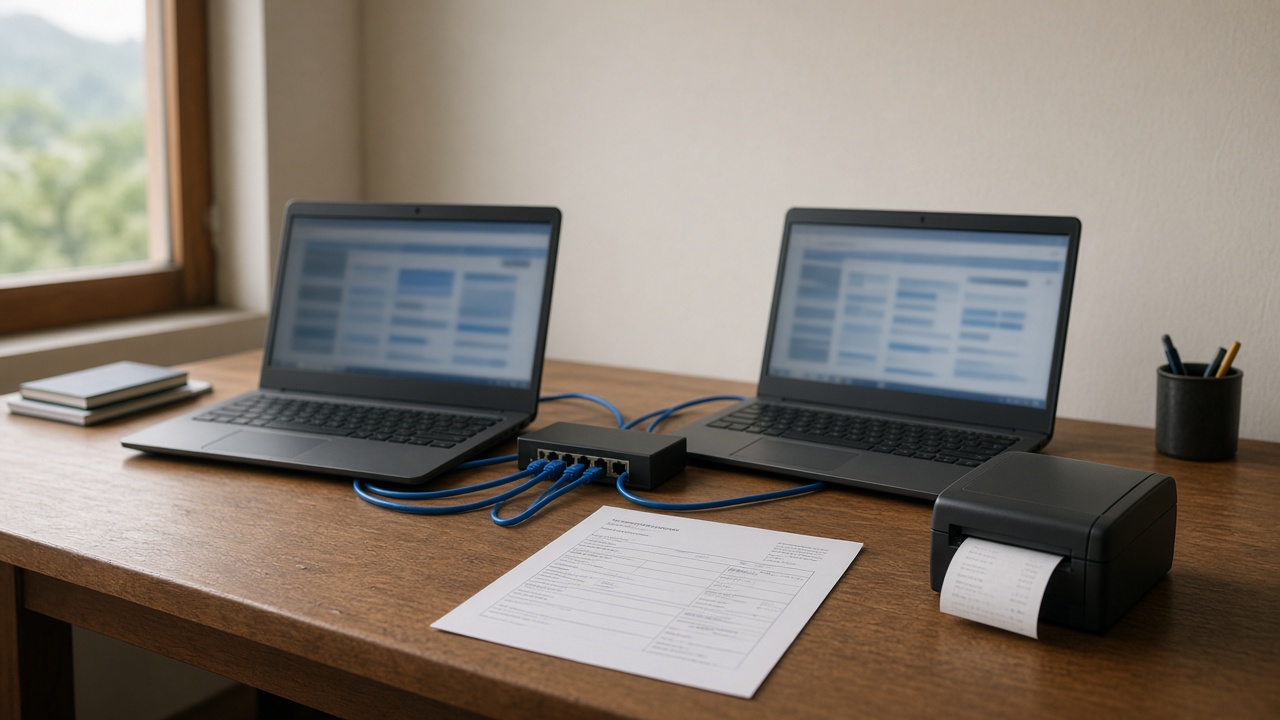
Many Bhutanese organisations already hold useful data in their accounting software, sales records, attendance systems, booking tools and spreadsheets. The trouble is getting a clear picture out of it. Managers wait for someone to copy figures into a report, different departments quote different numbers, and decisions are made on last month’s information. A well-planned dashboard brings the key figures together in one place and keeps them up to date. Here are seven things to decide before you build one.

Read More

News

Door Access Control and Attendance Systems: 7 Things to Plan Before You Install

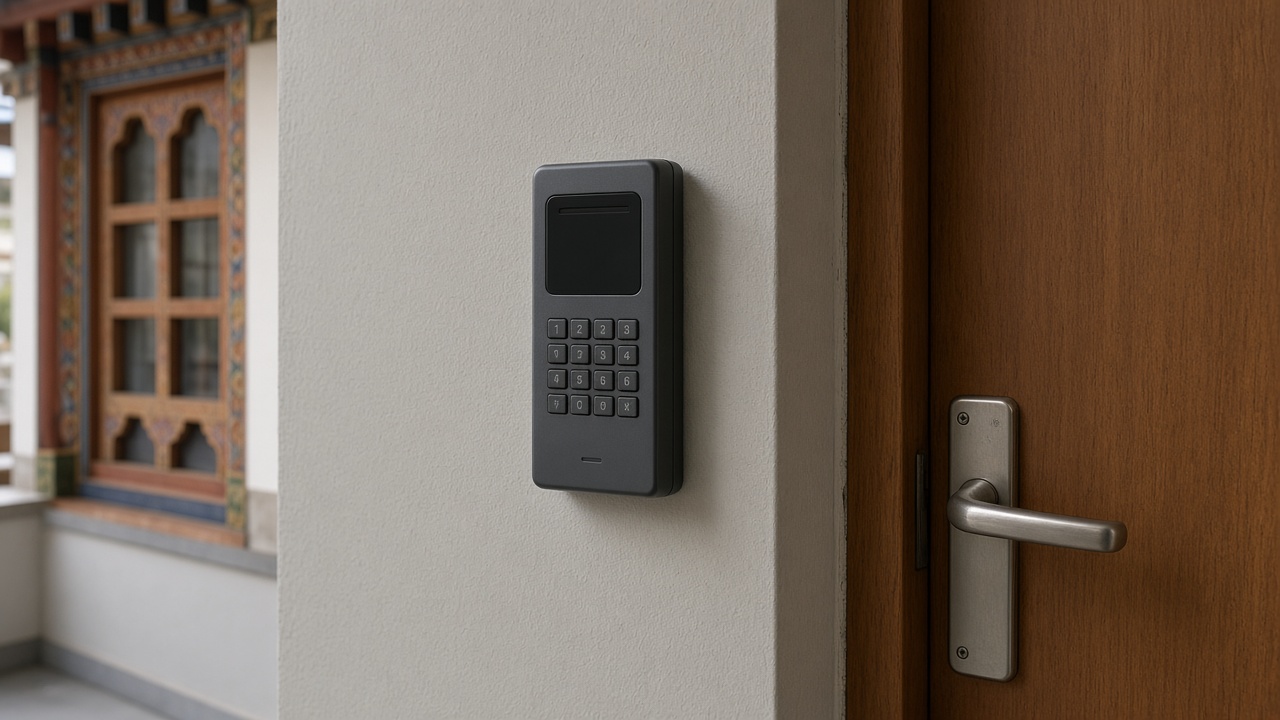
Keys get copied, lost or never returned, and paper attendance registers are easy to fill in late. Many Bhutanese offices, schools, hotels and warehouses are now looking at card, PIN or fingerprint access control, often combined with staff attendance. A well-planned system makes buildings more secure and saves administrative time, but a rushed installation can leave doors that jam, records nobody can use, and a new way for intruders to get in. Here are seven things to plan before you install.

Read More

News

Working Away from the Office: 7 Steps to Set Up Secure Remote Access

Staff increasingly need to reach office systems from somewhere else: an officer on tour in another dzongkhag, an accountant finishing month-end at home, or an IT person checking a server after hours. Remote access makes this possible, but a careless setup can open the office network to anyone on the internet. Here are seven practical steps for Bhutanese organisations that want remote access to be both useful and safe.

Read More

News

Software Updates and Security Patches: 7 Steps to Keep Office Systems Up to Date

Most security problems in an office do not start with a clever attack. They start with a laptop that has not been updated in months, a router still running its original firmware, or a website plugin that nobody has touched since launch. Software updates and security patches close known weaknesses, but only if someone makes sure they actually get installed. Here are seven practical steps to keep your organisation’s systems up to date without disrupting daily work.

Read More

News

Connecting Your Business Systems: 7 Things to Know About Integration and APIs

Many Bhutanese organisations now run several separate systems: an accounting package, a billing or point-of-sale tool, a website, spreadsheets for stock or HR, and sometimes a mobile app. Each one works well on its own, but staff often copy the same information from one system into another by hand. That double entry takes time and creates mistakes. Connecting your systems, usually through APIs (Application Programming Interfaces), lets data flow between them automatically. Here are seven things to think about before you start.

Read More

News

Testing New Software Before Go-Live: 7 Steps for User Acceptance Testing

New software is often judged on the day it goes live. If staff cannot find a screen, a report shows the wrong totals, or a form rejects a perfectly valid CID number, confidence drops quickly, and it takes far longer to win back than it would have taken to catch the problem early. User acceptance testing (UAT) is the step where the people who will actually use a system check that it works for their real, everyday tasks before it is switched on for everyone.

Read More

News

Two-Step Verification for Your Office: 7 Steps to Protect Business Accounts

Most account break-ins in small and medium organisations do not involve clever hacking. They start with a password that was reused, guessed or typed into a fake login page. Two-step verification (also called multi-factor authentication, or MFA) adds a second check, so a stolen password alone is not enough to get in. Here are seven practical steps for Bhutanese offices that want to switch it on without disrupting daily work.

Read More

News

Keeping Track of IT Assets: 7 Steps to Manage Laptops, Licences and Devices

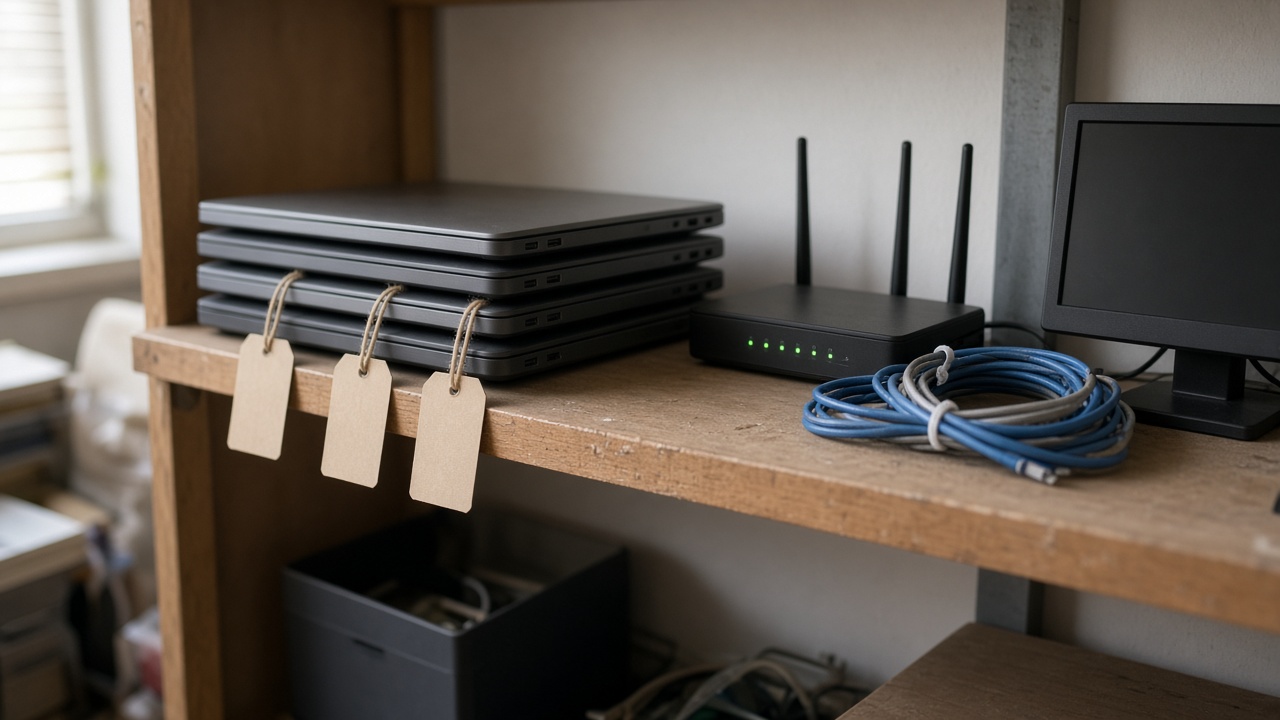
Most organisations know roughly how many computers they have. Far fewer can say, with confidence, who is using each laptop, when a software licence expires, or which router is still running on its original password. As offices, schools, hotels and businesses across Bhutan rely more on technology, a simple, up-to-date record of IT assets saves money, reduces downtime and makes security much easier to manage.

Read More

News

Fake Invoices and Phishing Messages: 7 Checks for Bhutanese Offices

Most scams that reach Bhutanese offices do not look like hacking. They arrive as an ordinary email, a WhatsApp or WeChat message, or a phone call: an “urgent” invoice, a supplier asking to change their bank account, a message that seems to come from the boss, or a link asking you to log in again. A few simple checks, practised by everyone who handles money or accounts, stop most of them. Here are seven.

Read More